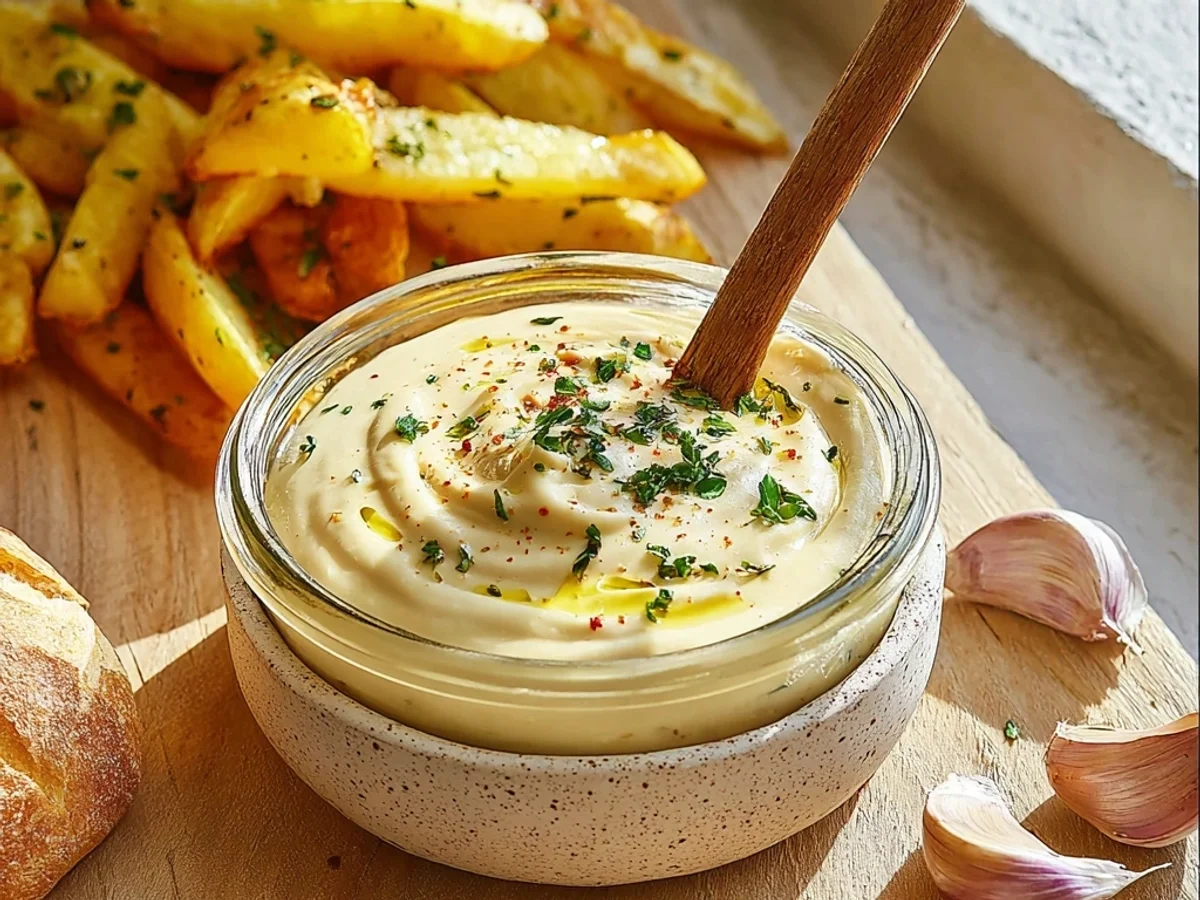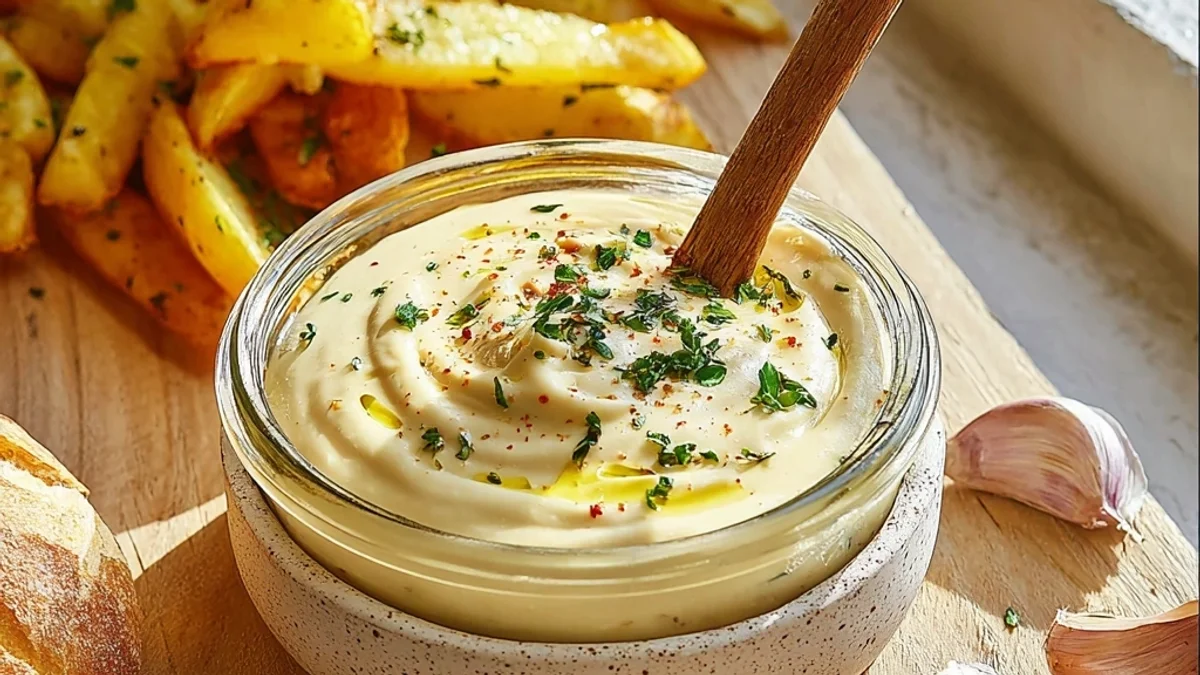


I remember the first time I truly got aioli. It wasn't from a fancy restaurant, nope. It was a sun-drenched afternoon, years ago, at a tiny market in Provence. The smell of fresh bread, ripe tomatoes, and this incredibly fragrant, creamy garlic sauce just hit me. I bought a small jar, and honestly, it changed my life. I mean, not literally, but it sparked this obsession with recreating that magic at home. My kitchen, bless its chaotic heart, often smells of roasted garlic now, and it’s all thanks to that memory. This homemade roasted garlic aioli sauce recipe is my attempt to bring that sunshine right into your kitchen.
My very first try at making aioli, I was so excited, I poured the oil in way too fast. We're talking a torrent, not a drizzle. The result? A sad, oily, separated mess. I stared at it, bewildered, wondering where I went wrong. My partner, bless his patient soul, just laughed and handed me a dish towel. "Next time, slow and steady wins the race, Leah," he said. And you know what? He was right. That batch went straight down the drain, but the lesson stuck!
Ingredients
- Whole Garlic Heads (2 large): This is where the magic starts, hon. Roasting mellows the garlic, transforming it from sharp and pungent to sweet, nutty, and almost caramel-like. Don't skimp, don't use pre-minced stuff just don't.
- Good Quality Olive Oil (2 tablespoons, plus 1 cup neutral oil): You need that olive oil for roasting the garlic, for flavor. For the aioli itself, a neutral oil like grapeseed or sunflower is key. I tried all olive oil once, and it was... robust. Not in a good way. It overpowered everything!
- Large Egg Yolk (1): This is your emulsifier, the hero that brings everything together into that luscious, creamy sauce. fresh is best, always. I've heard stories about using pasteurized eggs if you're worried, but I just use the freshest I can find from my local market.
- Dijon Mustard (1 teaspoon): A secret weapon! It helps stabilize the emulsion and adds a subtle tang that brightens the rich aioli. A little goes a long way, don't get crazy with it unless you want a mustardy aioli, which... is a different recipe entirely.
- Lemon Juice (1 tablespoon, freshly squeezed): This is essential for balancing the richness and adding a vibrant, zesty finish. I usually add a little more than the recipe calls for, because I love that bright kick. fresh lemon, please, none of that bottled stuff.
- Salt (1/2 teaspoon, or to taste): Flavor, flavor, flavor! It brings everything into focus. I tend to under-salt initially and then adjust at the end, because you can always add more, but you can't take it away. Oops, learned that hard way with a very salty batch once.
- Black Pepper (1/4 teaspoon, freshly ground): Just a touch for a little warmth and subtle spice. I love the smell of freshly ground pepper, it just makes everything feel more professional, even if my kitchen is a disaster zone.
Instructions
- Roast the Garlic Heads:
- Preheat your oven to a cozy 400°F (200°C). Grab those beautiful garlic heads and slice off the very top, exposing the cloves a bit. Drizzle them with a tablespoon of olive oil, wrap them snug in foil, and pop them onto a baking sheet. Into the oven they go for about 40-50 minutes, or until they’re super soft and smell like heaven. Honestly, this is where the house starts to smell amazing. I sometimes forget them in there, and they get a bit too dark, so set a timer!
- Extract the Roasted Garlic:
- Once the garlic is cool enough to handle (don't burn your fingers like I almost did last time!), gently squeeze the softened cloves out of their skins into a small bowl. Mash them with a fork until you have a smooth paste. This step is so satisfying, it’s like squeezing little flavor bombs! If you've got any stubborn bits, just keep mashing, we want a really smooth paste for our creamy homemade roasted garlic aioli sauce.
- Start the Emulsion:
- In a medium bowl, whisk together the mashed roasted garlic, egg yolk, Dijon mustard, and lemon juice. You want this mixture to be well combined and a little pale yellow. This is the foundation of your aioli, so make sure everything is happy together. I swear, sometimes I feel like I'm doing a little dance while whisking, trying to get it just right.
- Slowly Add the Oil:
- Now for the critical part of making roasted garlic aioli sauce: the oil. While whisking continuously and vigorously (or using a food processor/immersion blender), slowly, slowly drizzle in the neutral oil, literally drop by drop at first. As it starts to thicken, you can add it in a very thin, steady stream. This is where most people, including past me, mess up by adding it too fast and breaking the emulsion. Patience, my friend!
- Season and Adjust:
- Once all the oil is incorporated and your aioli is thick and creamy, it's time to taste and season. Stir in the salt and freshly ground black pepper. This is your chance to make it perfect for your palate. Need more lemon? Go for it! A pinch more salt? Absolutely. I always taste, add a tiny bit, taste again. It's a delicate balance, and honestly, sometimes I just keep adding lemon because I love that zing.
- Chill and Serve:
- Transfer your glorious homemade roasted garlic aioli sauce to an airtight container. Pop it in the fridge for at least 30 minutes to let the flavors meld and deepen. It just gets better with a little chill time. It should be thick, glossy, and smell absolutely divine. This is the moment you realize all that whisking (or blending) was so, so worth it.
There's something deeply satisfying about watching a few simple ingredients transform into this rich, creamy homemade roasted garlic aioli sauce right before your eyes. It’s like a little kitchen magic show. I remember one time, the doorbell rang right as I was mid-drizzle with the oil. I panicked, stopped whisking, and came back to a semi-broken mess. Had to start over, but hey, that's kitchen life, right? We learn, we laugh, we eat good food eventually.
Storage Tips for Your Roasted Garlic Aioli
Okay, so you've made this incredible homemade roasted garlic aioli sauce, and you're wondering how to keep it fresh. Store it in an airtight container in the fridge, and it'll happily last for about 5-7 days. Now, a word of caution from experience: because it contains raw egg yolk, it's not something you want to leave out at room temp for long periods. I once left a batch out for a few hours after a party, thinking, "Oh, it'll be fine!" Nope. It got a weird texture and I had to toss it. Also, don't freeze it, the emulsion will break, and you'll end up with a watery, sad mess. Just make smaller batches if you don't think you'll use it all, or share with friends!

Ingredient Substitutions for Roasted Garlic Aioli
I've definitely experimented with subs for this roasted garlic aioli sauce, sometimes out of necessity! For the neutral oil, grapeseed, sunflower, or even a very mild avocado oil work wonderfully. I tried canola once, and it was... okay, but a bit bland. If you're out of fresh lemons, a tiny splash of white wine vinegar can provide that acidic kick, but it won't have the same brightness. As for the Dijon, if you're really in a pinch, a tiny bit of English mustard could work, but be warned, it's much spicier! I've even tried making it egg-free using aquafaba (the liquid from a can of chickpeas) for a vegan version, and it actually worked, kinda! The texture was a little different, but the flavor was still there thanks to that roasted garlic.
Serving Suggestions for Homemade Roasted Garlic Aioli
Oh, where to begin with this glorious homemade roasted garlic aioli sauce? It's seriously versatile! My absolute favorite way to serve it is alongside a pile of crispy oven-baked fries or sweet potato wedges. It's also incredible slathered on a burger or a grilled chicken sandwich. Think about dipping fresh artichoke leaves, roasted asparagus, or even just a crusty piece of baguette into it. For a fancy-ish appetizer, I love dolloping it over pan-seared scallops or grilled shrimp. And for a truly cozy night in, a big bowl of pasta salad with a generous swirl of this aioli? Yes please. It pairs beautifully with a crisp white wine, or honestly, just a cold glass of sparkling water if you're keeping it simple.
Cultural Backstory of Aioli
Aioli, at its heart, is a simple emulsion of garlic and olive oil, a staple in Mediterranean cuisine, particularly in Provence, France, and Catalonia, Spain. The name itself, "aioli," comes from "alhòli" in Occitan, meaning "garlic and oil." It's one of those ancient, humble sauces that truly celebrates the power of simple, fresh ingredients. My personal connection started, as I mentioned, in a sun-drenched market, tasting the real deal. It felt so authentic, so rooted in history, yet so approachable. Making this homemade roasted garlic aioli sauce recipe isn't just about the food, it's about connecting with those culinary traditions, about bringing a piece of that Mediterranean warmth and simplicity into my own kitchen, even on a chilly Tuesday. It's a taste of history, made fresh.
Making this homemade roasted garlic aioli sauce has become a little ritual for me. It’s messy, sometimes a bit nerve-wracking with the oil drizzle, but the reward? So worth it. That silky, garlicky goodness just makes everything better. I hope you give it a try and find as much joy in it as I do. Don't be afraid to get a little garlic on your counter, hon. It means you're cooking with love! Share your aioli adventures with me!

Frequently Asked Questions about Roasted Garlic Aioli
- → Can I make this roasted garlic aioli sauce without a food processor?
Absolutely! I often make it by hand with a whisk and a sturdy arm. It takes more effort and a bit more patience, but the results are just as creamy. Just make sure your bowl is stable, and you whisk consistently while drizzling that oil.
- → Question about ingredients or substitutions for roasted garlic aioli?
You can definitely play with the neutral oil, grapeseed or sunflower are my favorites. I wouldn't swap the egg yolk for much, as it's key to the emulsion. I once tried regular mustard instead of Dijon, and it was too sharp. Stick to Dijon for that classic flavor!
- → What if my roasted garlic aioli sauce separates?
Don't panic! It happens to the best of us. Whisk another egg yolk in a clean bowl, then very slowly, drop by drop, whisk the broken aioli into the new yolk. It's like magic, it usually comes back together. I’ve saved many a batch this way after an "oops" moment.
- → How long does homemade roasted garlic aioli sauce last in the fridge?
It's best enjoyed within 5-7 days when stored in an airtight container in the refrigerator. Because it contains raw egg, I wouldn't push it past that. I always try to use it up quickly, which, honestly, is never a problem in my house!
- → Can I add other flavors to this roasted garlic aioli?
Oh, you absolutely can! I love adding a pinch of smoked paprika for a smoky twist, or some finely chopped fresh chives or parsley for a burst of freshness. Sometimes I'll even add a tiny bit of sriracha for a spicy kick. Experiment and make it your own!